About
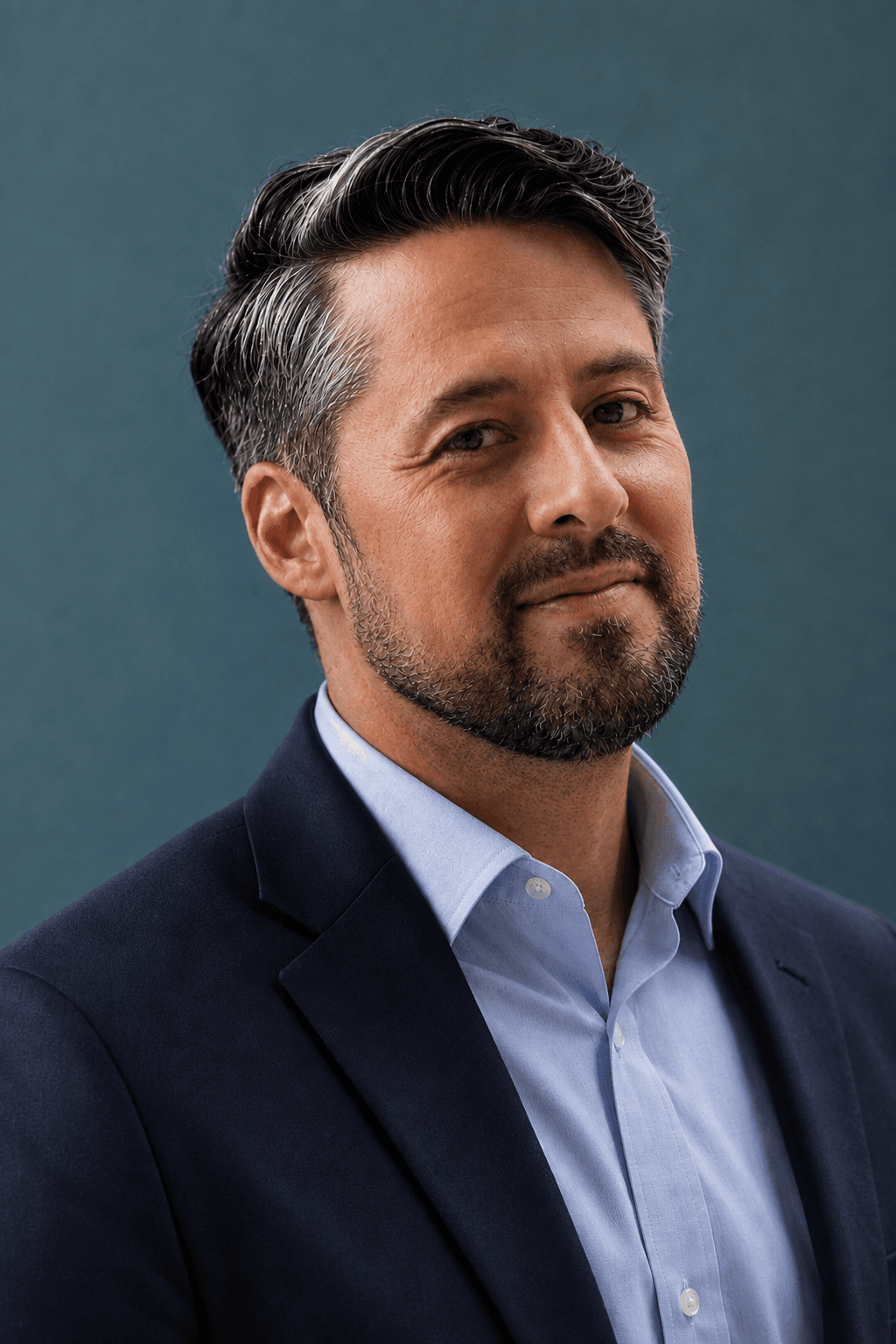
Clinical psychology, systems thinking, and the path that brought me here
I am a clinical psychology graduate student and psychotherapist-in-training. Before this, I spent years working in education and software development, experiences that still shape the way I think about people, systems, and how change happens.
The center, and the rest of the map
Clinical psychology is the center of where I am headed. I am most interested in psychotherapy, human development, relationships, and the processes that make meaningful psychological change possible.
The rest of my background has not disappeared. Years in education taught me to pay attention to how people learn, struggle, adapt, and grow. Software development taught me to think systematically, break complicated problems into workable parts, and build things that solve real problems.
Today, those experiences come together in behavioral health. I am developing clinically while also working on the systems around care. I expect both of these interests to remain central to my professional life.
What does not fit on a CV
Fatherhood
Fatherhood is one of the most important parts of my identity. It has made questions about development and intergenerational patterns much less abstract, especially the difference between understanding our history and choosing what we pass forward.
Curiosity and perspective
I have been fortunate to travel extensively, and some of my most enriching experiences have come from encountering cultures and ways of seeing the world different from my own. That curiosity extends to religion and philosophy, subjects I have spent a great deal of time exploring simply because I find the questions fascinating.
Away from the work
Outside of work and school, life is considerably less theoretical. I like to cook, lift weights, hike and camp, and get outside with my German shorthaired pointer. Some of my favorite time, though, is simply walking with my daughters and talking long enough to find out what is actually going on in their worlds.
Earlier work
History that stays in the structure
These chapters are not the professional center. They are part of how I learned to see people, systems, and change. I would rather keep them visible than sand them off.
Education
I began my career in elementary education, spending three years working with children at a very different stage of development from the adults I would later teach at Flatiron School. At Flatiron, I supported about ninety adults learning software development and, in many cases, navigating a major career transition.
Across both settings, I found myself paying attention to the same basic questions: how people learn, where they get stuck, what helps them regain momentum, and how the systems around them can either support that process or make it harder.
I have also always been on the other side of that process. I am a lifelong learner, and much of my own path into software development was self-taught. Teaching and learning have both been recurring parts of my life, and I expect that to remain true.
Software, kept in its place
I spent about five years working in software development, primarily with JavaScript and Python. I do not write code as much as I once did, but it is a skill I maintain and still enjoy, especially when there is an opportunity to build a custom solution or simplify a process.
I am also intentional about maintaining fluency in emerging technologies, particularly AI. I like understanding how tools work, where they are genuinely useful, and where they add complexity without solving the underlying problem.
Technology is still part of who I am. I am a bit of a techie dad, I enjoy building things, and I naturally look for ways to make systems cleaner and more efficient. But on this site, technical fluency is a supporting capability. The clinical and human questions come first.
The business side of care
I hold a bachelor’s degree in business, and that background still shapes how I think about organizations, operations, process improvement, and the practical realities that make good clinical work sustainable. It also matters to me personally as I think about eventually building a practice of my own.
I am also a Certified ScrumMaster, which gave me formal training in iterative improvement, identifying bottlenecks, and helping teams make complex work more manageable. Those ideas continue to show up in the way I approach systems and operations today.
Currently
- M.S., Clinical Psychology
- Capella University. Coursework and clinical training toward psychotherapy practice. APA accredited.
- Behavioral health operations
- PEAK Centers for Brain Health. Clinical operations, workflow and systems design across multiple sites.
- Reading & writing
- Contemporary psychodynamic theory, attachment and developmental research, mechanisms of therapeutic change.
Honor Societies
Academic communities reflecting achievement, scholarship, and continued professional development.

Psi Chi
The International Honor Society in Psychology, recognizing academic excellence and engagement in the science and application of psychology.
Delta Alpha Pi
An international academic honor society recognizing achievement, leadership, and advocacy.
If something here resonates, I’d enjoy hearing from you.
Clinicians, founders working on mental health infrastructure, researchers, and practice owners: conversation is welcome.
Get in touch